
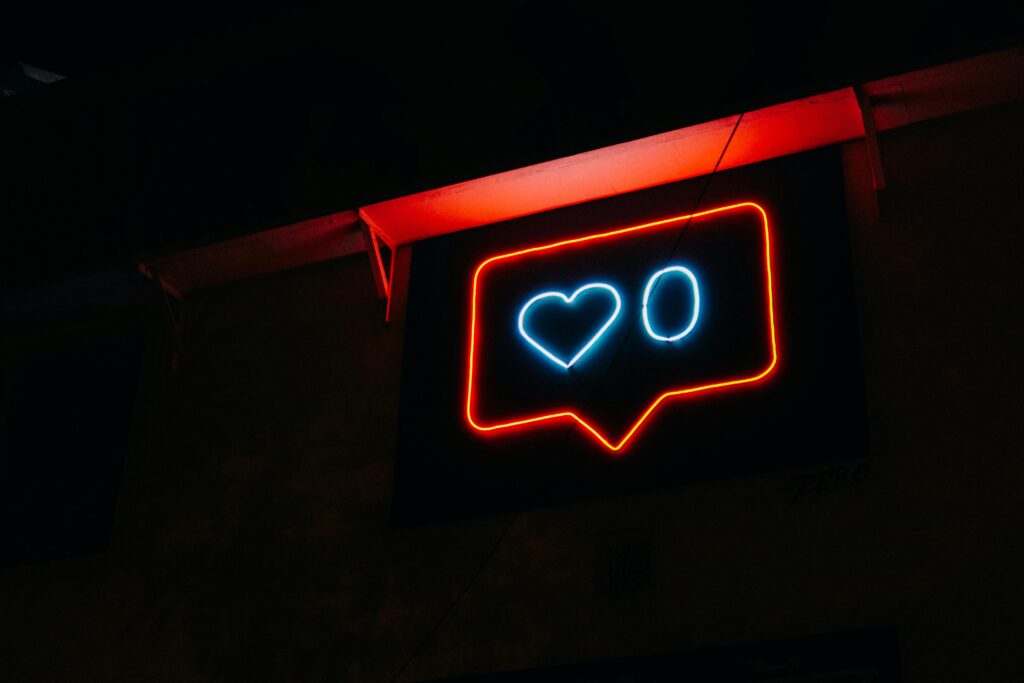
If you were born in the 1990s, there’s a quiet pressure you probably feel every day — even if you don’t talk about it.
It shows up when you open Instagram.
When you see people your age traveling, buying homes, getting married, having kids, switching careers, or “living their best life.”
And somewhere between scrolling and sighing, you wonder:
“Why does everyone else look ahead while I feel stuck?”
This blog is for the generation that grew up before social media, but is now expected to succeed on social media.
Why the Pressure Feels So Intense for 90s-Born Adults
People born in the 1990s are carrying a unique burden.
We grew up believing:
- education guarantees stability
- hard work leads to success
- life follows a predictable timeline
But adulthood told a different story.
Economic instability, layoffs, rising costs of living, career uncertainty, delayed marriages, infertility struggles, and emotional burnout collided with the rise of Instagram — a platform that rewards appearance, not reality.
According to the American Psychological Association, social comparison on social media significantly increases anxiety and depression, especially among adults who already feel behind in life.
(Source: https://www.apa.org/monitor/2022/03/feature-social-media)
Instagram Isn’t Just an App — It’s a Constant Evaluation System
Instagram quietly teaches us that life should be:
- aesthetic
- fast
- successful
- visible
What it doesn’t show:
- debt behind travel photos
- loneliness behind couple reels
- burnout behind career wins
- family pressure behind wedding pictures
For 90s kids, this hits harder because we remember life before comparison was constant.
Now comparison is 24/7.
The “Timeline Anxiety” Nobody Talks About
By your early 30s, the unspoken checklist appears:
- Career settled ✔️
- Married ✔️
- Children ✔️
- House ✔️
- Financial stability ✔️
Instagram amplifies this checklist and turns it into a public scoreboard.
If you’re missing even one of these, you don’t just feel delayed — you feel defective.
Research from Pew Research Center shows that millennials experience higher stress related to financial and social expectations than previous generations.
(Source: https://www.pewresearch.org/social-trends/)
Why This Comparison Hurts More Than We Admit
The pain isn’t jealousy.
It’s grief.
Grief for:
- the life you thought you’d have by now
- the version of you that felt confident and hopeful
- the belief that effort would be enough
Social media doesn’t just show success — it reminds you of what you didn’t achieve yet.
The Illusion of “Everyone Is Doing Better”
Here’s a grounding truth:
Most people are struggling quietly.
They just don’t post about it.
A 2023 report by Mental Health Foundation UK found that people who appear most confident online often experience higher internal stress and imposter syndrome.
(Source: https://www.mentalhealth.org.uk/)
Social media rewards performance, not peace.
How 90s Kids Can Deal With Instagram Pressure (Practically)
This isn’t about deleting apps or “thinking positive.”
It’s about protecting your mental space.
1. Stop Using Instagram as a Life Measurement Tool
Instagram is a marketing platform — not a life report card.
People post:
- highlights
- milestones
- moments worth sharing
They don’t post:
- fear
- stagnation
- financial stress
- emotional exhaustion
Remind yourself: absence of struggle online doesn’t mean absence of struggle in life.
2. Redefine Success Privately
If success is defined only by:
- money
- marriage
- aesthetics
you will always feel behind.
Redefine success as:
- emotional safety
- reduced anxiety
- stable income (even if small)
- fewer comparisons
Quiet stability is still success — it just doesn’t trend.
3. Shrink Your Time Horizon
Instagram forces long-term comparison.
Instead of asking:
“Where should I be at 35?”
Ask:
“What would make this month easier?”
Mental health improves when life is measured in manageable units, not lifetime achievements.
4. Curate, Don’t Consume
Mute:
- accounts that trigger shame
- people who make you feel “less than”
Follow:
- honest creators
- mental health pages
- people who talk about setbacks, not just wins
Your feed shapes your thoughts more than you realize.
5. Accept That You’re Living in a Hard Era
Millennials and late Gen-Y didn’t fail life.
They entered adulthood during:
- economic instability
- job market volatility
- social media pressure
- rising costs and shrinking security
Context matters.
You’re not weak — you’re responding to a harder environment.
A Note on Mental Health (Important)
If scrolling triggers thoughts like:
- “I’m a failure”
- “Everyone is ahead”
- “What’s the point of my life?”
Please don’t normalize that pain.
Support helps.
In India, mental health resources like AASRA offer 24/7 support:
https://www.aasra.info/
Seeking help is not weakness — it’s maintenance.